Thursday, 8 December 2016

Coursework Research - Narrative

What is narrative?
A narrative or story is any report of connected events, real or imaginary, presented in a sequence of written or spoken words, and moving images. It can be organised in a number of thematic or formal categories. Narrative is found in all forms of human creativity, art, and entertainment.

What are the conventions of narratives in each of the following genres:

Comedy- The setting of a comedy film really depends on the type of comedy, the generic places of most comedy films include, bright places, towns, cities and other well populated places. In teen comedy films they are set in high schools and small towns and in a social comedy with a lot of people it is normally set in a house or bar. The technical code for them is that the camera is very natural and goes along with the characters and do include high shots to capture the whole environment. Medium shots to catch all of the characters expressions and then including the editing sounds to add humour. Iconography in comedy films include bright colours, blue and yellow are often used, the lighting is often bright and shot during day time. The character types vary in comedy films there are the idiots that are very stupid and accident prone, the smart people who tend to be socially awkward and then the regular people who have accidents which occur around them, and they tend to be sarcastic. Lastly the themes tend to be one of the following, anarchic comedy, gross-out, parody, romantic comedy, screwball comedy and slapstick.

Horror- The settings tend to be small communities or isolated places, urban environments, dark streets and narrow alleyways. Large cities or run down ghost towns, almost anything that connotes isolation or being alone. The technical codes tend to include camerawork that is very expressive and not natural. High and low angles can connote fear and nightmares. Point of view shots (POV) are important because they allow the audience to see the world from the person/creature, this normally happens at the end or in the middle of a typical horror film. Handheld shots make it difficult for the audience to make out what is happening. Disturbing sounds are very important in a horror movie, diegetic sounds like footsteps and non-diegetic sounds like a heartbeat are commonly used. The editing can create unsettling tension and suspense. If the editing hasn't been paced up in a while then you know that something very bad is about to jump out and scare you. The Iconography often includes dark colours like red and black which links to evil. The lighting is expressive and non-naturalistic. Low-key lighting can help to create dark shadows and unfamiliar shapes in the blackness. Props can help us to further identify the genre of horror, specific props can be identified with a villain or character, common objects include, weapons, masks, icons of supernatural, religious icons etc. The character types in a horror closely identify as a main protagonist often a victim or hero of the movie, a villain often a monster, mutated freak, alien or serial killer, the stupid/immoral teenagers that always get killed, creepy children, police officers that can be good or bad and many more including ghosts, zombies, demons, psychopaths and stalkers. Themes of horror films include good vs evil, depression, religion, childhood issues, revenge, supernatural, beyond death, zombie apocalypse and nightmares.

Action- The characters in action films tend to be believable despite the film itself being unrealistic. The main protagonist who tends to be a 'normal' guy who discovers a hidden power or talent. The hero is always helped by a team of innocent characters who get caught up with the action. Mortal danger arises as a twist in the plot and the characters take it seriously. Exotic locations, mind boggling chases and hair raising adventures keep the audience on their seats. Technically action films use a lot of special effects so to create a bigger impact on the audience watching. Lighting is used to show danger; being very dark and mysterious and happiness; being very bright and light. The camera shots used show the characters from different angles, this can be used to create equilibrium and being very loud and sudden. These features show how the technical effects can affect the mood of the audience whilst watching the action film. Action films conventionally use a range of things for iconography. They usually feature fast cars, guns, good looking women, the police and some kind of fight, as well as other things. The narrative in action films usually follow the life of a person, or group of people, who are living a normal life until something changes everything and they then go on some form of  a mission to help solve the problem, usually they manage to solve the problem, while picking up a girl and being involved in a few car chases in the meantime. The themes that usually feature in action films usually involve an injustice that needs to be resolved. A moral justice is normally reached by the end of films from the action genre.

Drama- Characters are crucial to a drama as they help to create the tension and atmosphere of the film de to the circumstances they are facing. As well as the characters above, another typical character seen in drama films is the friend that the main character confides in. There are many sub-genres of drama, as the genre itself is a very very broad genre, with a wide spectrum of different films with different ideas and approaches of cinematography, but are essentially still classes as drama. The themes of which these films are based upon are just about anything as long as it is realistic which generally includes nothing supernatural. Some of the more popular themes to depict are injustice, drug addiction, poverty, mental illness, the corruption of power and racial prejudice. They usually link to something topical, such as politics or poverty. All drama films are very tense, often the soundtrack/music playing an important part in the overall feel of the films with mysterious intense scores to provoke emotions in the spectator.

Romance- In the romance genre there are few typical props you can expect to see throughout the film, for example you can expect to see some sort of flowers and gifts that will be given to one of the main characters usually by the love interest. The giving of gifts is commonly associated with the genre as it is the reflection of romance and commonly is represented as a relationship with giving and usually ending up with the pair being married after the pair have some sort of disruption or disequilibrium. There will normally always be two main characters. A male and a female, the male is virtually always the love interest and the selling point of the film, with such massive names playing the character. Most of the time there will be a character that is there to disrupt the love interest and come in-between the two characters. A typical setting for a romance film is big cities, this is because a big city has everything that the film could possibly want, therefore they use the big cities as the majority of people can associate with the big cities and gain understanding of the film and begin to make a link with their own life.

Narrative theories

Propp- Propp was essentially interested in folk tales, he noticed that often many folk tales were similar in a variety of areas, he identified a theory about characters and actions as narrative functions. The typical characters he found were, the hero, the villain, the donor, the dispatcher, the false hero, the helper, the princess and her father. In the struggle scene Propp suggested that there is a struggle between the hero and the villain, and that the hero is branded and the villain is overcome which leads to the state of disorder being settled. And nearing the end of the film normally at the recognition scene the hero is recognised or the false hero or villain is unmasked from the film genres that would include this type of character.

Todorov- He came up with the theory that narratives have a clear three-part structure. The first of which being equilibrium, where everything is calm and in order, which could be seen as normal. The second of which being disruption, where all the bad things start to occur. Finally, restoration where the equilibrium is now restored and back in order.

Barthes- Roland Barthes narrowed down the action of a text in to Five Codes which are woven into narrative, these are, The Hermeneutic Code (HER), The Enigma / Proairetic Code (ACT), The Symbolic Code (SYM) and the Cultural Code (REF)


Levi-Strauss- He studied myths of tribal cultures, and examined how stories unconsciously reflect the values, beliefs and myths of a culture. These are usually expressed in the form of binary oppositions. Media theorists to reveal underlying themes and symbolic oppositions in media texts have adapted his research.

Coursework Research - Sound

What are the conventions of music in film openings in the following genres?

Comedy - This genre of film tends to use a technique called "Mickey-Mousing", this is the process of an action happening on the film and then a noise relating to it, for example someone slipping on a banana skin, and then being followed by a crash of cymbals, it can also use unexpected turns and twists in the melody and rapid changes of musical style.

Horror - The music in a horror film is designed to scare us, making the experience of watching the film more intense as it's now including all of the senses that a human has, therefore heightening suspense and terror. Horror films tend to use Atonal music, atonal music is not related to a tonic note and therefore has no sense of key. It's not just music that is used in horror films, it tends to be the sound effects that are more effective and are in fact the things that scare people. Horror films include a lot of abrupt shifts up and down in pitch, this is used to intensify the scene of the film, and add another layer of fear onto the audience. It's also the screams that feature most widely in horror films, the screams tend to be from a female character, this could be used as the majority of females watching a horror film will find it scary, therefore the film is relating to the person watching once again and they can connect with it. Oddly another piece of music that can be used is childhood nursery rhymes which have been slowed down and dropped in pitch, and being sung in a disturbing way, this tends to freak out the majority of an audience, as they associate that sort of music with young innocent children, and not mentally disturbed people.

Action - In action films the music that tends to be used is of a fast pace and energetic. This sort of music is used as it reinforces the idea that the action film is of a fast pace with things changing at any second. The music can also sometimes have unexpected drops in bass or rhythm, this can be used dynamically by film producers as they can co-operate this sort of music with certain scenes in the film, where the action may take a turn and become faster or slower, or maybe even feature an unexpected turn. Sound effects are also used in action films, these effects tend to be of a violent nature, therefore being gun shots, swords making contact and other noises which may include explosions.

Drama - In drama films the music tends to be intense as it needs to create more suspense so that the audience are more on edge. Drama films tend to draw more attention to the sound as they feel it is more important in this genre. The sounds that are associated with drama films tend to be of a loud and intense nature.


Romance - In romance films the music that tends to be used is slightly slower, with a slower beat and the words that tends to be used within the songs is of a romantic nature. This sort of music is used as it is closely related to the genre of film, this music also helps to set the tone and the direction of which the film is going in which allows the audience to relate closer to the film and therefore empathise with it more, the music tends to make the portion of the audience who are female cry as they've used the music wisely with the screenplay, which would overwhelm them. 

Monday, 5 December 2016

Coursework Research - Dialogue

What is dialogue?
Dialogue is a conversation between two or more people as a feature of a play, book or film.

Is dialogue necessary in the opening two minutes of a feature film?
I don't think that dialogue is completely necessary in the opening two minutes of a feature film, a lot of film trailers and the opening of films feature no sound at all, meaning obviously that there would be no dialogue at all. If you include dialogue you normally tend to give away more of the plot compared to if you weren't going to use it, this therefore keeps the plot of the film unknown and then makes the audience more intrigued and curious about the rest of the film. Dialogue which is used in the opening of films has to be used wisely and effectively as it sets the tone for the rest of the film, so it's best to only include dialogue in the opening of a film if it can be used in the way you wish it to be used.

Find one example for each of the following genres where dialogue is NOT used and one example for each where it IS used in the opening two minutes.

Comedy -

Where dialogue is used: Borat - https://www.youtube.com/watch?v=3BfeANSBff8
Where dialogue is not used: Hot Fuzz - https://www.youtube.com/watch?v=3RAkY4R691E
  Horror -

Where dialogue is used: The Conjuring - https://www.youtube.com/watch?v=ZKDDyaViwj8&t=21s
Where dialogue is not used: The Babadook - https://www.youtube.com/watch?v=ZLrmAWdXkns

Action -

Where dialogue is used: The Dark Knight - https://www.youtube.com/watch?v=lxV7r0-RAKc
Where dialogue is not used: Casino Royale - https://www.youtube.com/watch?v=A1AMUmkj-ck

Drama -

Where dialogue is used: Boyhood - https://www.youtube.com/watch?v=-P9fmUMBcZg
Where dialogue is not used: Schindler's List - https://www.youtube.com/watch?v=24fwJMLsyNs

Romance -

Where dialogue is used: Silver Linings the Playbook - https://www.youtube.com/watch?v=ZabC1qRtAmE
Where dialogue is not used: Dear John -  https://www.youtube.com/watch?v=xxqAp52dkUs

Monday, 21 November 2016

2 Minute Mise-en-scene Final Ideas

We soon had to come to a conclusion for the final ideas for our mise-en-scene short piece of film as we needed to be able to film in the half term holidays.

For our final plot, we did incorporate the initial idea of using the flashback but decided to use it at the end of the piece as it would then bring another dimension to the piece and no one would necessarily be expecting it and it would fit with the genre that we were going for which was a romantic theme. The plot was to take a couple of young teenagers to the beach and film a short montage of their day there, which included throwing stones into the sea, eating fish and chips, walking along the beach and going into the pleasure beach amusements. We would then film a piece of film with the older woman which would act as a flashback as she is reminiscing on her younger days with her partner shown in the film who either left her, or passed away.

For our casting we managed to get one of our friends to play the role of the teenage girl and boy, which was brilliant because then it wasn't awkward to ask them to do certain things in the film. The only slight problem that we thought might arise was the issue that the two members of cast had never met before so it might've been difficult for them to act in a way that a couple would. For the older woman we used a member of our groups mum, who was more than happy to film a short outro for us.

The location we had to film in Yarmouth as we had to include the big rollercoaster in our film, so we thought that it would be easier to use the whole of the beach to incorporate the other factors of mise-en-scene too. Within the beach we filmed, on the beach front, on the sidewalk and in the amusement section of the beach. The other location we used was one of our members back gardens to film the little outro.

Our final list of props included, the fish and chips which was the piece of our mise-en-scene, the camera which was used to capture a picture of the couple on the beach front and a printed out picture of the picture that was taken on the camera which was held by the woman when she is being focussed on after her flashback.

We just included natural lighting as it would be easier than taking artificial lighting with us to the beach. Also by only using natural lighting it meant that you got a real sense of the environment that they were in and made it completely natural, and with the element of having to include a sunrise it was the best idea to do so. 

Lastly, for the costuming of the cast the two teenagers would be wearing casual everyday wear which would act best to reinforce the idea that everything is completely natural and that they are not being filmed on purpose, yet instead someone is filming without them knowing. The woman would have to be wearing a uniform of some sort as this was a piece of the mise-en-scene we were given.

Wednesday, 16 November 2016

2-Minute Mise-en-scene Film Opening Plan

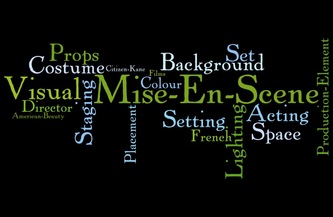
Image result for mise-en-scene elements
What was the task that we were given? 
The task given to us, was to make a two minute film opening on the basis of picking random mise-en-scene qualities that were written by our teacher and we simply had to pick one from each of the different qualities of mise-en-scene to build the foundations of our two minute film opening, and we couldn't change this. Mise-en-scene is defined as "the arrangement of scenery and stage properties in a play" We could completely decide the plot of the opening, but it had to include our given options of location, casting, prop, costume and time. 

What elements of Mise-on-scene were we given?
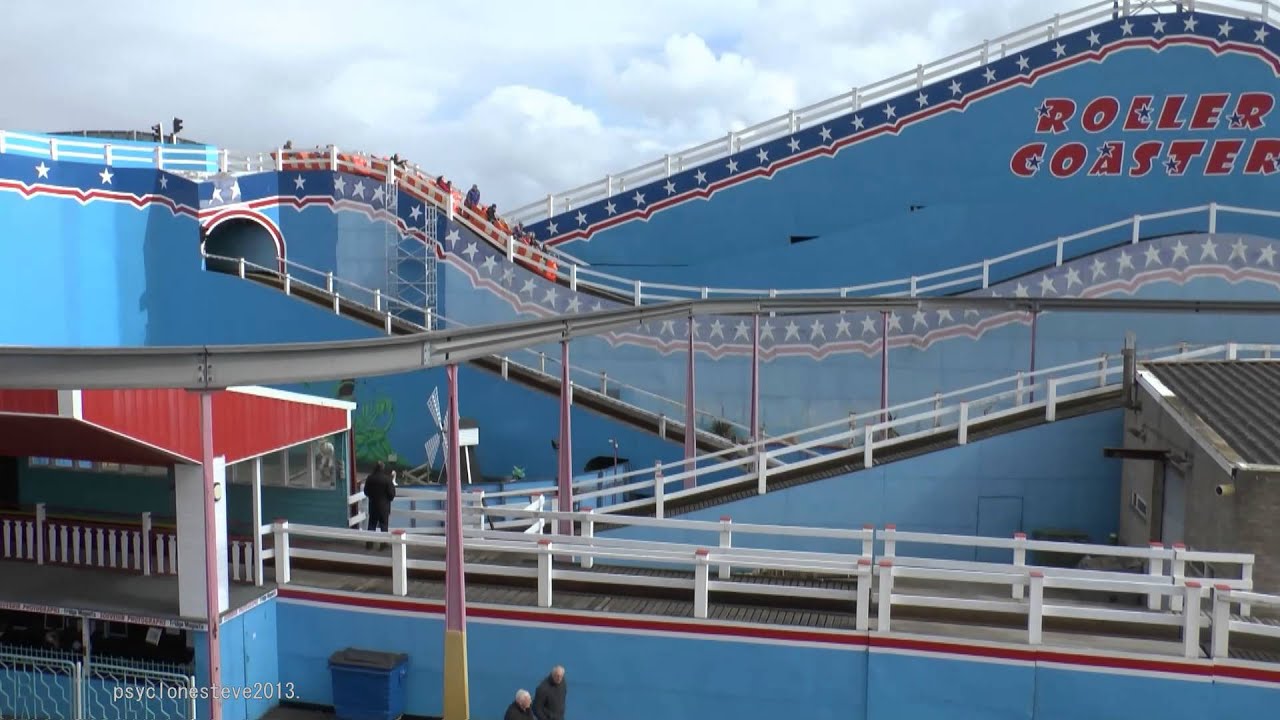
We were given 5 different elements, the first element we were given was the location of which we were told to at least feature was the rollercoaster in Great Yarmouth, which meant we based our plot around the beach and seaside. Another element we were given was the casting, the character/cast we were given was a 40 year old woman, it didn't solely have to be this one individual character but at least feature. Props was another element that we were given, our prop was fish and chips, this was very convenient for us as we had to travel to the seaside anyway so it was an easy element to incorporate. A element that we slightly struggled with was the element of costume, as we were given uniform which is never the easiest thing to include especially by going off of the elements we already had it didn't really fit in. Lastly, we were given the element of time, the time we were given was early morning sunrise.

What was the initial plot idea?
The initial plot idea we had was to do a flashback sort of opening, where it started with the 40 year old woman, who was daydreaming, and then incorporate a flashback of her in her younger years with her old partner (who had maybe passed away). The flashback was going to be on the beach as it could incorporate the elements of mise-en-scene with the rollercoaster and fish and chips. However we changed the initial plot idea as we got onto the aspects of filming, we started with the two teenagers at the beach looking like they were on a normal date and we would then film a scene of the woman either looking at a picture of her and her partner when they were younger or instead daydreaming.
Image result for rollercoaster great yarmouth
What were our casting ideas?
Our casting idea was originally to have two young teenagers the girl of which would've showed slight resemblance to the woman in later filming but then we discovered that would've been fairly difficult. So then instead we decided that we would ask around our friends to find two willing volunteers who would act for us, they would of preferably been a couple to make the filming less awkward. From the beginning we knew that for the older woman we would use a member of our groups mum, whoever was most willing.

Location and research of location
The location we had to include was the rollercoaster at pleasure beach in Great Yarmouth, so we had the idea to film the majority of the piece at the beach as we could incorporate most of the elements of our mise-en-scene. We weren't going to include much of the rollercoaster but instead just feature it.

Prop list
The original prop list we had set was simply the element of mise-en-scene we were given, which was to include fish and chips. We didn't yet have any ideas to use additional props.

Lighting
We had the idea to just include natural lighting as it would be easier than taking artificial lighting with us to the beach. Also by only using natural lighting it meant that you got a real sense of the environment that they were in and made it completely natural, and with the element of having to include a sunrise it was the best idea to do so. 

Costume
We were given an element of mise-en-scene for costuming, but not everyone had to apply to it but instead it only had to feature on one character. The other characters we intended to use would be in casual everyday dress.

Target audience
We had the idea to target the audience of teenagers and young adults, as this type of genre of a romance type of film is popular with that age range.

Filming plan/schedule
Our planning schedule was to simply film whenever all of our group members were free and also the actors as without them we wouldn't be able to film. We targeted the October half term as this was the most likely time when everyone would be free.


Monday, 7 November 2016

What do we expect to see in the opening 2 minutes of a feature film?

These are the things that we would most likely expect to see in the majority of 2 minute openings:

-How much of the plot is introduced in the opening 2 minutes?
-How many key characters are there?
-Is there much dialogue?
-How many locations are there?
-What are the credits like?

I've analysed both professional and student made openings of a film to compare what it included in them and see if they had hit the criteria above.

Professional Films:

The Lion King - https://www.youtube.com/watch?v=wW7zYR-WGwY
In the Lion King the main plot is hinted on by the basis of the Mufasa and Scar showing hatred for one another in the opening 2 minutes.

This is shown by the dialogue that they exchange purely on the topic of Simba's presentation to the world. From introducing this much of the plot to the audience it allows them to get a sense of what the film will be about but not to the extent of how things will unravel in the end therefore leaving the suspense and desire to continue watching.

Featured in the two minutes there are only two main characters, and these are Mufasa and Scar, however another main character is mentioned when talking about his presentation (Simba), to add to this there is another character featured but they are not very important in the rest of the film, they are just there to add another dimension to the dialogue.

The whole of the opening two minutes has dialogue and there is not a period of time where there isn't some sort of dialogue this means that the opening scene is fairly full of action as there is always something going on and slightly revealing the plot for the rest of the film. By having a lot of dialogue it can help to draw in the audience a little more as there is always something to listen to and grasp instead of having just different camera angles and shots throughout the opening scene to reveal the plot.

There is only one location revealed in the opening two minutes of The Lion King which features inside of a cave where Scar is usually found, however you are shown the outside surroundings of the cave therefore having an insight of what the other locations that may feature in the films will be and then allows you to think about the different atmospheres could be included.
In the opening scene of the film there are no credits included at all apart from the actual title of the film itself.
                                                 Image result for the lion king

Up - https://www.youtube.com/watch?v=YlGg4nt01G8
In the opening scene of the film Up, there once again is a hint on the main plot of the film. The opening scene all in all was just over 5 minutes long and solely features the story of Carl and Ellie and how their romance grew over the years and tracked how they both evolved together. They both had a dream that they shared that was to take there house and place it on top of a mountain far away and therefore explore the surroundings too. But then Ellie falls terminally ill, and passes away without achieving this dream that they both have. Meaning that Carl is left feeling like he never achieved the one thing they both wanted to do together and therefore still wants to achieve the dream in memory of Ellie.

The only two characters featured in the opening scene are Ellie and Carl, only really Carl is a key character throughout the rest of them film as the character of Ellie is discontinued and therefore no longer shown. The other key character in the film does not feature at all in the opening scene of the film so the audience don't know what or who to expect.

In this opening scene, there is no dialogue at all. Instead there is just music playing over in the background. You can still see the characters talking but no audio can be heard as it has been muted.

There are a number of locations that feature in the opening scene as it is effectively a piece of film that is showing their life story so far, and in this they are bound to have been to more than one location. Some of the locations show of course the house that they live in, the outside of the house, the chapel they got married in, a certain hill that features twice at both the beginning and nearer the end of their story and of course the hospital.

Once again in this professional film there is no credits in the opening scene, and again there is only the title of the film and the logo of the production company, in this case Pixar.
                                                      Image result for up

Wall-E -https://www.youtube.com/watch?v=nLx_7wEmwms
In the opening scene none of the real main plot is hinted at or shown, nothing is predictable either which will leave the audience of the film in suspense and wanting to watch to find out.

There is only one character actually featured in the opening 2 minutes of the film, and this character happens to be the main character of the entire film, Wall-E. He is only featured in the last minute of the opening scene though with the beginning of the scene purely showing cineramics of outer space, and then continuing on with shots of the surroundings that Wall-E is living in.

Likewise with the last film there is no dialogue in this opening scene and this theme continues throughout the film, as they only really communicate through sound effects that robots make. Also similar to the last film is that there is music playing throughout in the background, this prevents the piece of film from becoming too quiet and therefore can be seen as boring.

There is several locations seen in the opening scene, however they aren't really shown in detail but instead glanced over as the camera is panning over the horizon as you travel to meet the key character of Wall-E.

In the opening scene of this film there are a small amount of credits, that just presents who the production company (Pixar) is and who the film creator is (Walt Disney).
                                                      Image result for wall-e

Student-made Films

Captive - https://www.youtube.com/watch?v=93fH1fUQ-Lw
In the opening scene of this student made film there is the main plot revealed, you can see that the boy who is held captive was held there due to having trespassed the area which is shown to be haunted.

By watching the opening scene it looks as if there is two main characters shown, the boy who is being held captive and the ghost girl who supposedly put him there. Although the ghost girl only features in the trailing end of the opening scene where the audience is shown how he was held captive, the boy is shown throughout the opening scene and is the key main characters.

Like the two of the professionally made films there is no dialogue shown in the opening two minutes of the piece, there is however music playing over the screenplay to add the suspense and set the tone of the piece. There is one piece of dialogue though, which is simply a scream for help, with the scream the music is still being played over the top.

There is one main location shown which is the grungy abandoned room that he is being held in, this features strongly throughout the piece of work and is the predominant location. However there are other locations shown just outside of the room, which includes the forest area in which features the sign of no trespassing. Then you can see the forest in which the ghost girl is walking past when he is held captive in the room, this is when the screaming features.

Credits are featured in the beginning of the film which includes the certificate of the film and the age restriction of the film, as well as this it also shows the production company that they had made up.

The Edge - https://www.youtube.com/watch?v=24nQdBL8M3w
Once again in this opening sequence you can see that the main plot is being revealed, with the boy who is the main character being chased by two men portraying the secret services / FBI. The final scene of the opening scene is shown with the boy being faced by one of the men at gunpoint.

It seems as if there are a numerous amount of key characters shown in the opening scene of the film, however you can clearly see that the younger boy trying to escape them is the main key character with the other two trailing behind.

There is no dialogue at all in this opening scene, however once again like the other student made film there is music being played over the top to set the tone of the piece, and due to being a high tempo piece of music you can analyse the genre as an action film.

Numerous locations are shown throughout the opening scene due to the characters travelling around in a part of a "wild goose chase" to capture the boy who has supposedly done wrong. Locations that feature are a multi-story car park and different parts of this including different floors, the roof and elevators also there is an area situated outside a huge block of flats.

The majority of credits are featured in the very opening sequences with the credits attach to a piece of the location or an object, however as the opening scenes progress there are still credits appearing however much more subtlety and less frequent. The credits show the casting and names of the cast as well as the production credits themselves.

Abducted - https://www.youtube.com/watch?v=l_t89wAOEUE
A lot of the plot is shown in the opening scene, almost too much in fact is given away, because there is a lot shown in only two minutes with the majority of the plot told.

There are the two main characters which are the man who is trying to get his abducted fiancé back and the fiancé herself, but it could also be seen that the people who had stolen the woman are part of the key bunch of characters too.

There is dialogue throughout the opening scene of this student made film, that greatly differs from the rest of the student made and professionally made films, by having a lot of dialogue I feel as if it gave away a lot of the plot as you can hear the extent to what is happening.

Many locations feature in the opening two minutes of the film, the opening piece is in a park, then moves onto their house, and then there are other locations that feature the new characters who have taken the fiancé hostage, such as their headquarters and dark places such as an abandoned basement.

Like the first student made film credits are featured in the beginning of the film which includes the certificate of the film and the age restriction of the film, as well as this it also shows the production company that they had made up. However it doesn't just feature credit it features a fake review from the times that was put in towards the end of the piece, this is probably done to entice people into watching the full thing.

Wednesday, 19 October 2016

Diamond 9

A film opening should...
(My opinion)
 
Now upon reading the mark scheme some of the aspects have been shuffled round due to hitting the criteria to get the most marks.
Replacing the previous top statement is "creativity" as the piece of film needs to show aspects of creativity to show that there is thought and planning behind the piece as without "creativity" it is difficult to make parts of the film look good and easier to watch.
Also now on the second row is "titles" which has replaced "introducing character(s)" as on the mark scheme it features higher up. To add to this also now on the second row is "variety of camera shots and angles" which has replaced the spot formerly occupied by "creativity", the majority of camera shots and angles require to be creative in order to look good.
Lastly I've moved the "indication of genre" towards the bottom, as in a short piece of film you don't necessarily need to know the genre to be enticed into the film.